
Honoring Black History Month
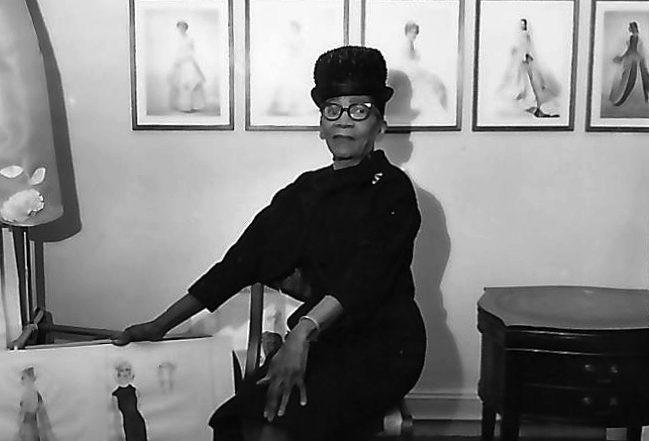
When people speak about iconic American wedding gowns, they often mention Jacqueline Bouvier Kennedy’s 1953 bridal dress—romantic, hand-crafted, and unforgettable. What’s far less known is the name of the woman who created it: Anne Lowe, a brilliant Black couturier whose legacy shaped American fashion while remaining largely uncredited during her lifetime.
Early Life: A Legacy of Craft
Anne Lowe was born in 1898 in Clayton, Alabama, into a family of talented seamstresses. Her mother and grandmother designed gowns for Southern society women, and Lowe learned early that couture was not just sewing—it was architecture, engineering, and art. She absorbed the discipline, precision, and creativity that would later define her work. By her twenties, she had already begun designing for elite clients, showing a mastery of fit, proportion, and embellishment that rivaled European ateliers.
Her upbringing instilled in her a deep respect for craftsmanship and an eye for detail. She often described her work as a marriage between artistry and function, insisting that garments should not only be beautiful but also perfectly structured to the wearer’s body.
Building a Career Against the Odds
Long before American designers were recognized globally, Anne Lowe was creating custom, one-of-a-kind gowns with hand-appliquéd floral motifs, intricate pleating, and complex structures. Her clientele included the most prominent women in American society—Rockefellers, Roosevelts, DuPonts, and other elite families. Despite her talent, she was often excluded from major fashion institutions and faced systemic barriers due to her race.
Undeterred, Lowe opened a salon on Madison Avenue, a remarkable achievement for a Black woman at the time. Yet, financial stability remained elusive. Lowe was known for undercharging her clients to ensure they received the exact gown she envisioned, often sacrificing profit for perfection.
The Jacqueline Kennedy Wedding Dress
In 1953, Lowe was commissioned to design the wedding gown for Jacqueline Bouvier’s marriage to Senator John F. Kennedy. The dress featured a fitted bodice with a portrait neckline, a voluminous skirt, and layers of hand-tucked silk taffeta—crafted entirely by hand. Just days before the wedding, disaster struck: a pipe burst in Lowe’s studio, destroying the gown and bridesmaids’ dresses. In under two weeks, Lowe and her team remade everything from scratch, at no additional cost.
Despite her extraordinary skill and the gown’s historic significance, Lowe’s name was absent from the wedding announcements. It was attributed only to a “colored dressmaker,” a reflection of the era’s systemic biases. Yet her craftsmanship cemented her place in American fashion history.
Triumphs, Struggles, and Quiet Recognition
Anne Lowe’s career was as brilliant as it was challenging. Despite dressing some of America’s wealthiest women, she faced financial hardship, culminating in bankruptcy. Reports suggest that an anonymous benefactor paid off her debts, allowing her to continue her couture work. Many historians speculate that this patron may have been Jacqueline Kennedy herself—a gesture of recognition for the designer behind one of the most iconic gowns in history.
Lowe’s life illustrates the paradox of creative genius: she produced some of the finest couture America had ever seen, yet much of her brilliance went unrecognized in her lifetime. Her legacy survived not through accolades, but through the timeless elegance of the garments she created and the women she dressed.
Why Anne Lowe Matters
Anne Lowe’s story is more than fashion history—it’s a testament to resilience, talent, and quiet determination. She represents countless Black creatives whose contributions shaped American culture without credit or financial reward. Today, her work is celebrated in museum collections and exhibitions, reminding us that American couture has always existed—and that its foundations were laid by hands too often overlooked.
Anne Lowe wasn’t just behind the scenes of history.
She was history—stitched in silk, patience, and nobility.
This Black History Month, honoring Anne Lowe is about more than admiring beautiful gowns—it’s about restoring authorship, celebrating overlooked brilliance, and recognizing the women who shaped our cultural heritage.